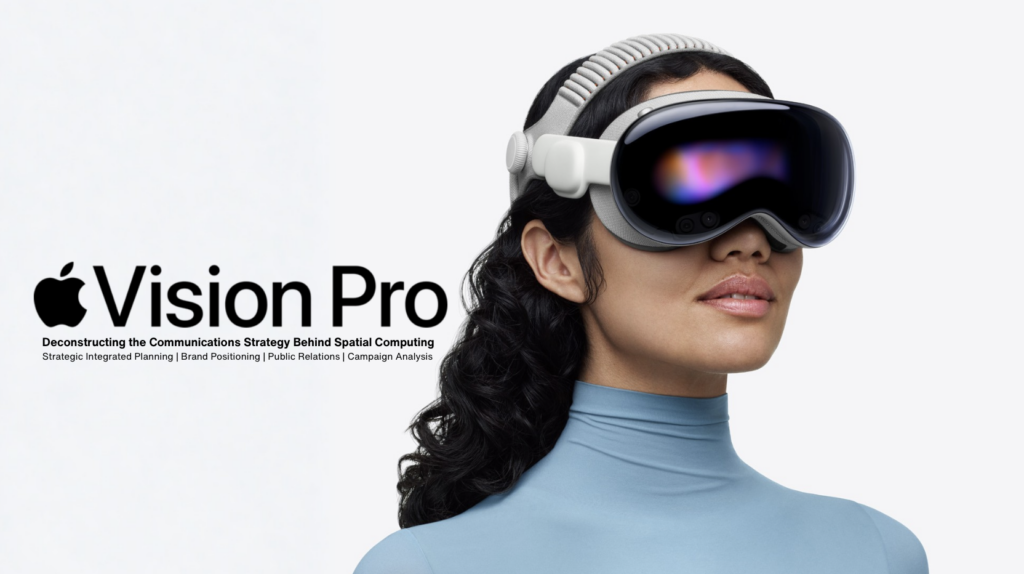
For this project, I conducted a deconstructive analysis of Apple’s Vision Pro launch using the Strategic Integrated Planning (SIP) framework, examining how brand positioning, audience insights, communication objectives, and integrated media strategies contributed to the product’s introduction.
Project Overview
When Apple introduced the Vision Pro, it wasn’t simply launching another technology product.
It was attempting to redefine how consumers understood an entire category.
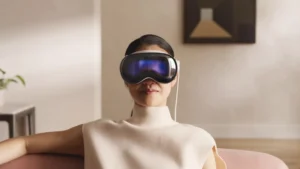
Rather than positioning the device as a virtual reality headset, Apple introduced it as the beginning of the era of “spatial computing,” building a narrative around innovation, creativity, productivity, and human connection.
EXISTING CATEGORY ASSOCIATION
VR Headset
Gaming · Niche technology · Immersion
APPLE’S POSITIONING
Spatial Computer
Creativity · Productivity · Everyday life
The Communications Challenge
Apple entered a market where immersive technology was largely associated with gaming, specialized professional applications, and expensive hardware.
Despite growing interest in augmented and virtual reality, mainstream adoption remained limited.
The Vision Pro’s $3,499 launch price added another challenge: convincing audiences that an unfamiliar technology could offer meaningful value in everyday life.
The communications challenge extended beyond generating product awareness.
Apple needed to reshape category perceptions while maintaining its established identity as an innovative, premium, and culturally influential brand.
How do you introduce an unfamiliar technology while making it feel both revolutionary and relevant to everyday life?
Research & Situation Analysis
My analysis examined the extended reality market, Apple’s competitive
positioning, consumer adoption barriers, and the communications
environment surrounding the launch.
These findings informed my assessment of the strategic opportunities
and reputational risks associated with the launch.
Brand Equity
Apple’s reputation for design, innovation, and ecosystem integration provided an established foundation of consumer trust.
Market Competition
Competitors such as Meta and Microsoft had already established positions within gaming and enterprise applications, creating an opportunity for differentiated messaging.
Consumer Skepticism
Price, comfort, practicality, and uncertainty about everyday applications presented potential barriers to adoption.
Cultural Opportunity
Immersive technology could be positioned beyond gaming by emphasizing its applications in entertainment, productivity, creativity, and human connection.
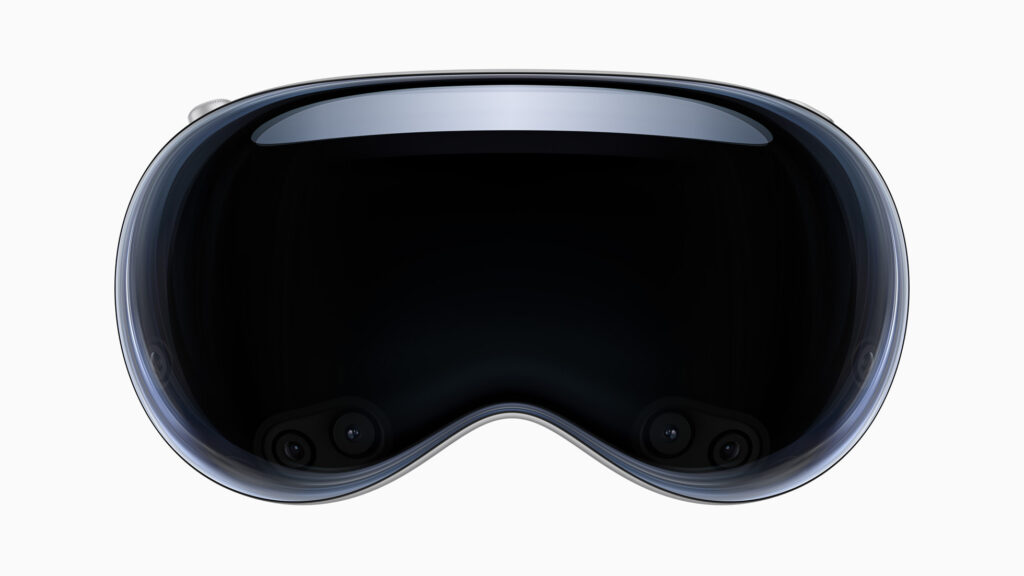
Apple wasn’t just introducing a new product. It was introducing a new way to think about technology.
Strategic Insight
The analysis identified Apple’s use of “spatial computing” as a central positioning decision.
By moving away from conventional virtual reality terminology, Apple sought to establish a new category narrative aligned with its history of introducing products that reshape consumer expectations.
This positioning helped connect an unfamiliar device to familiar brand associations: premium design, intuitive experiences, creativity, and technological progress.
Audience Segmentation
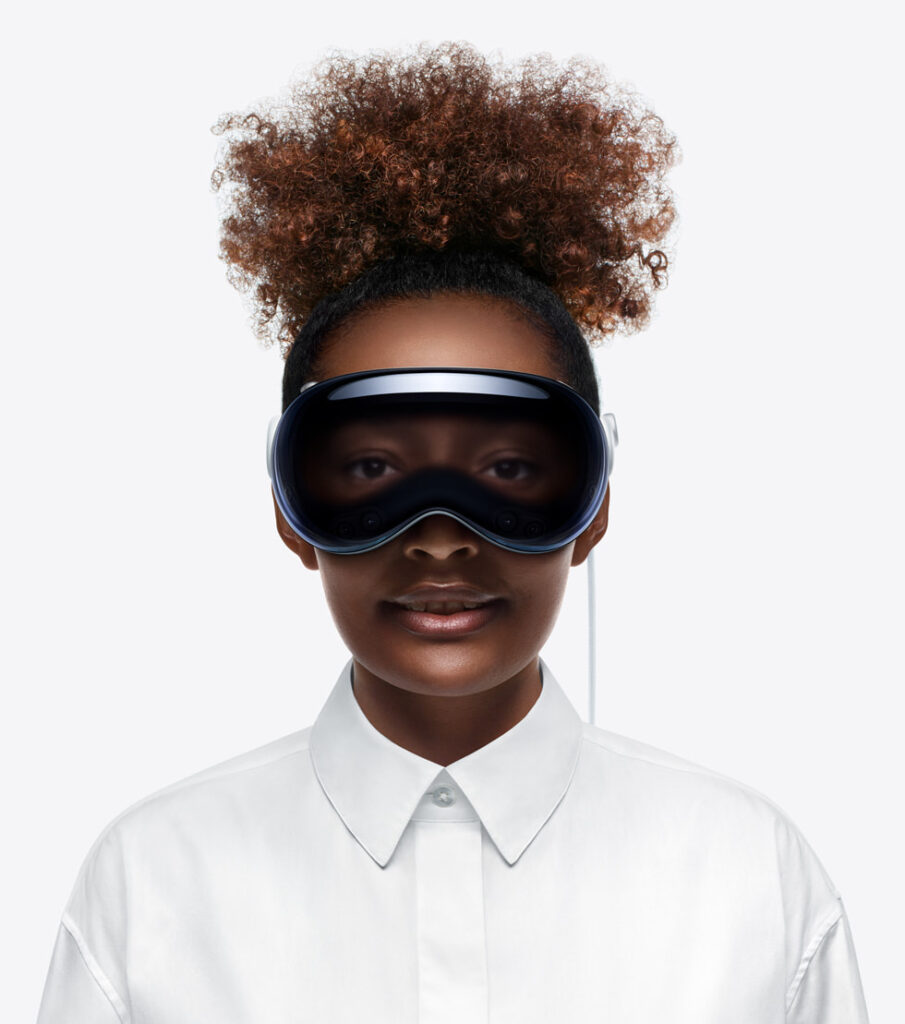
The analysis identified three priority audience groups.
Affluent Early Adopters
Technology enthusiasts and professionals drawn to innovation, exclusivity, and early access to emerging products.
Messaging emphasized premium craftsmanship and technological leadership.
Creative Professionals
Designers, filmmakers, developers, and other creative professionals interested in tools that could expand possibilities for visual storytelling, collaboration, and productivity.
Apple Loyalists
Existing Apple customers familiar with the brand’s ecosystem and product philosophy.
Messaging reinforced continuity, reliability, and the evolution of Apple’s established technology experience.
Each audience represented a different opportunity to communicate the Vision Pro’s value through tailored messages and proof points.
Communication Strategy & Message Development
My analysis examined how Apple’s communications connected its broader brand positioning to the Vision Pro’s specific product narrative.
The central message presented the device as a spatial computer capable of blending digital content with the physical world.
Reframe the Category
Position immersive technology as an extension of everyday life rather than a specialized gaming experience.
Humanize Innovation
Use emotional visuals and familiar scenarios to communicate how spatial computing could support real-world activities.
Leverage Brand Credibility
Connect the new device to Apple’s established ecosystem, design philosophy, and reputation for innovation.
Build Third-Party Validation
Use journalists, developers, creators, and product demonstrations to make the tech more tangible and credible.

Integrated Communications Analysis
The project examined Apple’s launch through the PESO framework.
Paid Media
Product introduction films, digital advertising, and branded content helped establish the visual language and positioning of spatial computing.
Earned Media
Press releases, WWDC unveiling, product demonstrations, and executive interviews provided opportunities for journalists to introduce and evaluate the new category.
Shared Media
Creator previews, developer content, and social media conversations helped extend awareness and encourage public discussion around the Vision Pro.
Owned Media
Apple’s website, newsroom, product videos, and direct customer communications provided controlled environments for explaining the device’s features and intended applications.
Together, these channels formed an integrated communications approach designed
to reinforce a consistent product narrative across audiences.
Strategic Evaluation
My analysis highlights the importance of positioning when introducing an unfamiliar
technology.
Apple’s approach demonstrated how category framing, established brand equity,
and coordinated communications can influence how audiences initially understand
a new product.
At the same time, the case illustrated the limitations of communications alone.
This project reinforces the relationship between brand storytelling and business
strategy, particularly when organizations introduce innovations that require
consumers to rethink established behaviors.
Premium pricing, practicality, and consumer adoption barriers remain important considerations regardless of the strength of the launch narrative.


Project Outcome & Key Takeaways
The final deliverable was a research-based strategic analysis of the Apple Vision Pro launch, applying the SIP framework to examine market conditions, brand positioning, audience segmentation, communication objectives, message development, and integrated media tactics.
The project strengthened my ability to evaluate communications beyond individual advertisements or media placements, considering how research, strategic decisions, and stakeholder perceptions contribute to a broader brand narrative.
**Disclaimer: this site was created for educational purposes only and is not affiliated with the brand in any way.